A small town in Kentucky just paused the AI infrastructure data center boom. For one year, anyway.
Only a year ago, I moved from Fairfield County, Connecticut to Cave City, Kentucky. The plan was quieter. Slower. Closer to something real.
Suddenly, a company called Discovery decided they wanted to build a data center here.
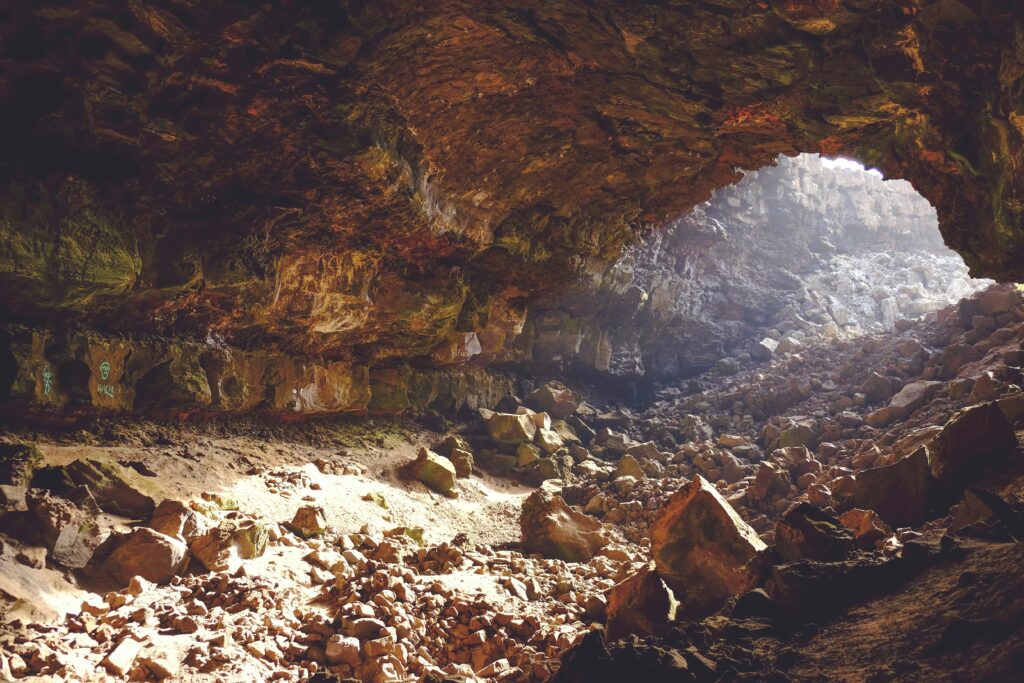
Cave City is four square miles. We sit a few miles from Mammoth Cave National Park, the longest known cave system in the world. Our town runs on tourism, farmland, and the quiet that comes with being rural. The convention center alone brings in over 40,000 visitors a year. A data center, with its constant hum, water consumption, and energy draw, is not a quiet neighbor.
So, on May 11th, I went to the city council meeting where this was being decided. The room was packed. Standing room only. People were wearing shirts that read, “Mammoth Cave is not for sale. No data centers.”
That night, I brought my camera. The interviews I recorded that night ended up going viral on TikTok for almost a full week. Hundreds of thousands of people across the country were suddenly paying attention to a Monday night council meeting in a town most of them had never heard of. That, in itself, told me something. People are hungry for this story. They are living some version of it themselves.
The vote
Council member Leticia Cline led the charge against the proposed zoning amendments that would have allowed data centers to be built in Cave City without a conditional use review. Her argument was simple: this does not align with our community.
“We are a national park city. We are four square miles. We’re very tiny,” Cline said at the meeting. “We have tons of agriculture and tourism and natural resources.”
Yet, she also pointed out something most residents had not realized. The existing zoning language was vague. There was nothing defined about what happens if one data center becomes two, or three, or more. Nothing about water use. Nothing about coordination with the local water company. Nothing about the certain geology beneath us, the same geology that creates Mammoth Cave.
In the end, the council voted 4-1 to reject the zoning changes. Therefore, 4-1 to approve a one-year moratorium on all data center applications. The only dissenting voice was Councilman Denny Doyle, who said he believed data centers were “two-thirds good and one-third bad.” He said he had read studies from the University of Louisville and the University of Kentucky. He said these things are not all bad.
Mayor Dwayne Hatcher, when pressed, said he supports a data center in Cave City. He said newer facilities have improved on energy and water use. He also acknowledged he had limited knowledge of their operations.
The cheers from the room when the moratorium passed were the loudest thing I have heard in this town as of yet.
What a “moratorium” actually means
A moratorium is a pause. Not a no. For twelve months, Cave City cannot accept, process, or review any data center applications. After that, the question opens back up.
The council plans to use that year to form a planning commission, study utility impacts, and create permanent regulations. The hope, expressed by Council member Andrew Bagshaw, is to prevent data centers from coming into the community at all.
Cline noted there is also an election coming. A new city council. A new mayor, possibly. The makeup of the room could shift. The pressure does not.
A young resident named Brooking spoke at the meeting and pointed out something the data center industry rarely acknowledges. Communities that host data centers pay, on average, around 10% more in utility costs. Cave City has a poverty rate of around 30%. That is a burden this town cannot absorb.
Another resident, Sammye Jo Estes, said large-scale data centers promise economic development but those promises often come at significant cost to communities like ours. “Development should enhance our town, not overpower it,” she said. “Protecting our farmland, preserving our natural resources and maintaining integrity of our rural way of life must remain a priority.”
The bigger picture
The AI boom needs land. It needs water. It needs power. It needs places that cannot say no.
The United States hosts nearly half of all data centers worldwide. There are over 4,500 active facilities in the country and more than 700 under construction across 38 states. By 2030, data centers could consume up to 12% of total U.S. electricity, according to projections from the Lawrence Berkeley National Laboratory.
Virginia is the warning.
Virginia is the epicenter. The state hosts nearly 600 data centers, with over 100 more proposed or under construction. In 2024, data centers accounted for almost 40% of all electricity consumed in the state.
In Loudoun County alone, the world’s largest data center market, residents have seen their electricity prices jump 267% over the past five years, according to a Bloomberg analysis. The average Virginia electricity bill is projected to rise from $143 today to $315 by 2039.
The southeast is next. Georgia, North Carolina, South Carolina, and Texas are projected to become the largest US regional market for data centers by 2030, accounting for roughly 35% of national capacity. Kentucky sits at the edge of this expansion.
At least a dozen states have proposed legislation to pause data center construction and reconsider tax incentives. Several cities and counties have already enacted bans. In Simpson County, Kentucky, a planning board approved a data center but a citizens group filed a lawsuit to try to overturn it. The fight is not isolated. It is everywhere. Most of it goes unreported.
The AI story no one is telling
The conversation about AI usually happens in offices in San Francisco and New York. It happens in earnings calls and product launches and breathless tech reviews. The conversation in Cave City happened in a four-square-mile town hall, with handmade signs, in a room that smelled like old wood and coffee.
Still, this is the part of the AI story that does not get told. The buildout requires physical infrastructure on a scale most people have not internalized yet. Every ChatGPT query, every image generation, every AI model running anywhere in the world requires servers running somewhere. Those servers need land. They need millions of gallons of water for cooling. They need enough electricity to power small countries. And they need places willing to host them.
Where they build, and why
The companies building these data centers know exactly where to look. Rural towns. Lower property values. Smaller tax bases that need the revenue. Communities without legal infrastructure to fight back. By the time most residents understand what is being proposed, the permits are signed.
Cave City got lucky. We had a councilwoman who had been paying attention. We had residents willing to show up on a Monday night. We had a poverty rate that made the math indefensible.
What I keep thinking about
A moratorium is a temporary no. The pressure does not stop. The companies do not stop. The buildouts do not stop.
I moved here for the quiet. My fiancé and I have started having quiet conversations about where we would go next. Not where in the country. Where outside of it. America has more data centers than any other nation in the world. The map of safe places, by any reasonable definition, is shrinking.
I do not think we are going to outrun this. I do not think anyone is. The infrastructure is coming. The question is just whose backyard, and on whose terms, and at what cost. The fight in Cave City is one version of a fight happening everywhere. Most of the people fighting it are not journalists or activists. They are residents who showed up to a Monday night meeting because they did not want a server farm in their backyard.
For now, Cave City said no. Or rather, not yet.
That is something. It might be everything.